What Can Australia Teach Us About Effective Marine Conservation Strategies
Australia's Marine Biodiversity
Diverse Ecosystems Explained
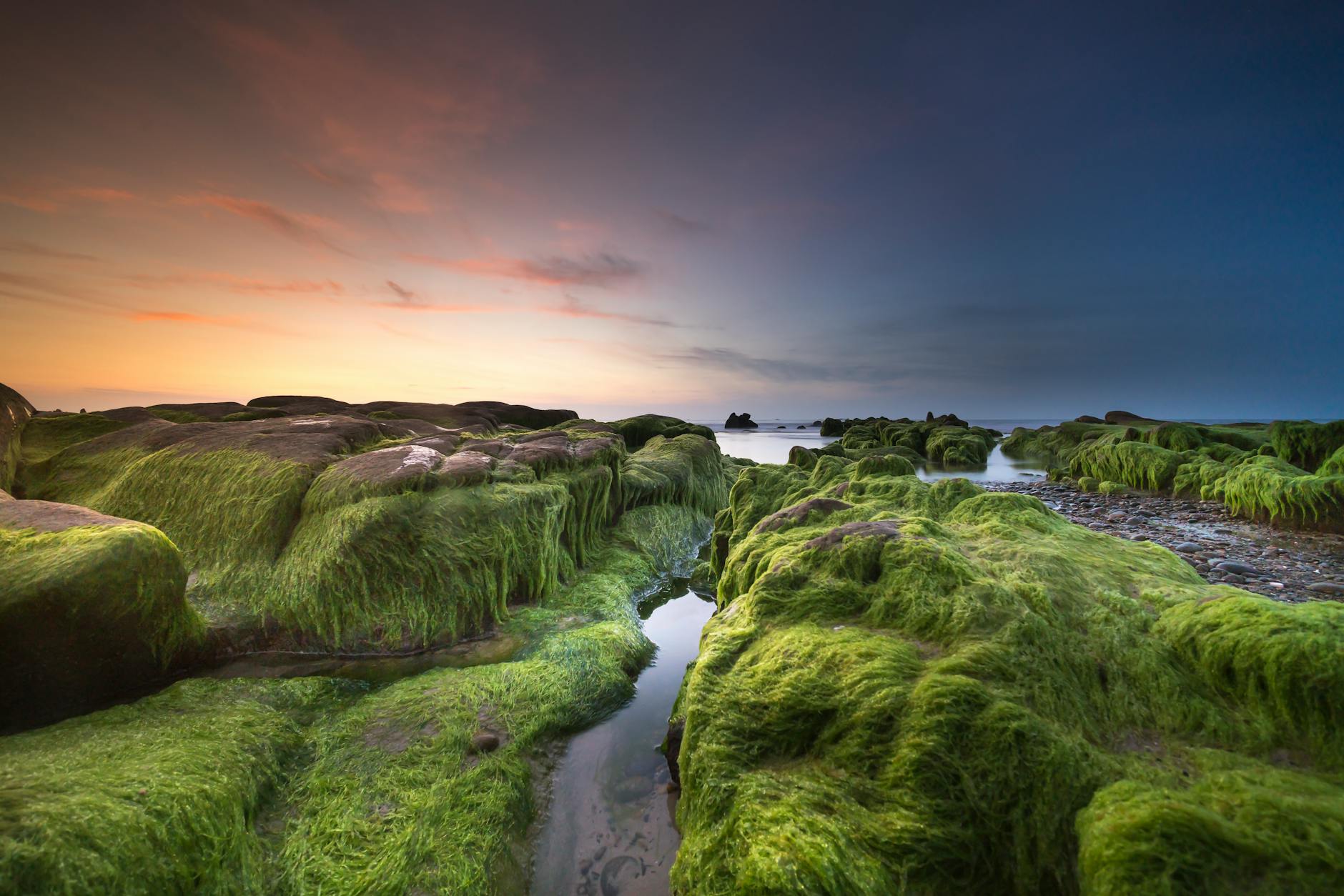
Imagine embarking on a voyage not far from the Australian Marine Complex, where the ocean reveals a kaleidoscope of life. Australia’s marine biodiversity, renowned for its lush and complex ecosystems, offers a unique canvas for scientific exploration. The waters here are teeming with life, from the intricate coral reef systems to the expansive seagrass meadows. Tour the vibrant intertidal zones, where organisms thrive in their symbiotic existence, showcasing the intricacies of nature's designs. This ecological tapestry is mirrored in tours like those of the Galapagos islands tours, which similarly feature diverse marine communities.
Unique Marine Species
Floating within this realm, one encounters species found nowhere else on the planet. From the charismatic sea dragons to the bewildering array of mollusks and crustaceans, Australia hosts a biological treasure trove that captures the imagination. Each encounter with these unique species speaks to the richness of marine life paralleling discoveries one might experience on a Galapagos cruise.
Crucial Habitats
The preservation of these habitats is integral, akin to the significance of protecting delicate ecosystems on South America tours. These fundamental habitats support not only marine life but also the livelihood of humans. They function as nurseries for young fish and sanctuaries for threatened species. By understanding the connections between terrestrial and marine ecosystems, we empower ourselves to develop strategies that ensure the resilience of these precious environments.
Conservation Strategies Used
Marine Protected Areas
In Perth's vibrant Australian Marine Complex, visionaries have developed marine protected areas (MPAs) that integrate traditional practices and modern scientific innovations. These MPAs safeguard vital habitats while allowing marine life to thrive, which is crucial in promoting biodiversity. This approach not only protects our waters but also ensures that local communities have continued access to both ecological and economic benefits. In the broader scope, MPAs play a significant role in achieving a sustainable equilibrium, aligning closely with the conservation principles cherished by marine biologists like Noah.
Sustainable Fishing Practices
Sustainable fishing practices are equally vital in keeping our aquatic ecosystems balanced. By limiting over-exploitation and implementing quotas, these strategies aim to maintain fish populations at healthy levels. This ensures that marine food webs remain robust, supporting not just individual species but entire ecosystems. These methods intertwine the necessity of yielding economic gain with a commitment to protecting marine life. As a result, they are indispensable in preserving marine biodiversity, aligning with Noah's passion for sustainable ocean management.
Coral Reef Preservation
Coral reefs are undeniably the ocean's lifeline. The Kings Park and Botanic Garden, a stop that serves as a reminder of nature's resilience, inspires innovative coral reef preservation methods. It’s crucial to focus on techniques that mitigate human impacts and account for climate challenges. Strategies like coral gardening and breeding programs help restore these vulnerable ecosystems. Through such efforts, we can support the ecological balance, ensuring these essential habitats persist for future scientific explorations and studies in places like Machu Picchu tours or Cuba tours.
Community Engagement
Indigenous Knowledge and Role
In Perth's vibrant communities, the integration of Indigenous knowledge plays an essential role in marine conservation efforts. Respecting the centuries-old traditions that have guided sustainable interaction with marine ecosystems is integral to developing robust conservation strategies. Indigenous Australians provide unique insights and practices that not only enrich marine science but also reinforce the cultural heritage of the region. Their profound understanding of local ecosystems underpins projects at key locations like Kings Park and Botanic Garden, transforming historical narratives into contemporary conservation action.
Citizen Science Initiatives
Citizen science initiatives are making substantial strides in empowering individuals to contribute to marine conservation. By involving passionate community members in data collection and environmental monitoring, these projects foster a deeper connection to local conservation efforts. For instance, community-led beach monitoring at sites like Cottesloe Beach documents marine biodiversity and highlights the importance of preserving habitats. Such participatory approaches elevate public understanding and transform conservation into a shared responsibility that aligns with both scientific pursuits and regional Antarctica cruises missions.
Educational Outreach Programs
Educational outreach programs provide an invaluable platform for spreading awareness about the significance of marine conservation across all demographics. These programs leverage interactive workshops and school curriculums to inspire future generations with a profound appreciation for marine biodiversity. Localised efforts in places like the Australian Marine Complex introduce students and educators alike to the dynamic science shaping today's environmental movements. By weaving conservation themes into educational narratives, Perth ensures that its legacy of environmental stewardship thrives well into future explorations, such as those aboard Arctic cruises.
Challenges
Climate Change Impact
The influence of climate change on our oceans is a growing concern for the scientific and environmental communities. Rising sea levels and increased temperatures pose significant threats to marine ecosystems. As we reflect on the diverse experiences of those embarking on Galapagos tours, the environmental parallels become strikingly apparent. The Galapagos, much like Australia's unique ecosystems, faces challenges that demand immediate attention to sustain its rich biodiversity.
Pollution Management
One cannot overlook the prevalence of pollution in our oceans. From plastic waste to oil spills, the detrimental effects are far-reaching and impact marine life profoundly. These issues resonate deeply with the conservation efforts observed during Cuba travel, where local initiatives strive to combat similar environmental degradation. By tackling pollution through stringent policies and community engagement, we can work towards healthier marine environments.
Overfishing Issues
Overfishing remains a persistent issue that threatens marine biodiversity. It disrupts the balance of ecosystems, leading to the depletion of crucial species. The lessons learned along coastlines worldwide, including those studied in Cuba, can guide us in implementing sustainable fishing practices that ensure the longevity of our ocean's resources.
Recognising these challenges empowers us to develop targeted strategies, blending research with practical solutions to safeguard our marine habitats. As we continue to explore these complexities, it is imperative to share insights with a global audience committed to the same cause.
Global Adaptation Action Items
Implementing Successful Policies
Positioned at the forefront of global conservation, Australia offers a blueprint for effective policy implementation. By learning from the Australian Marine Complex's groundbreaking initiatives, we can tailor strategies that blend scientific innovation with practical regulations. For instance, policies could embrace technologies that reduce pollutants and restoring natural habitats like Kings Park and Botanic Garden to bolster urban biodiversity conservation strategies. These policies not only protect marine biodiversity but also ensure that our natural resources continue to thrive under careful management.
Fostering International Cooperation
Uniting the world under a common cause is imperative if we are to safeguard our planet's diverse ecosystems. Collaborative efforts should focus on shared research and resources, drawing inspiration from global successes and local expertise. A cooperative model involving Australia's scientific and environmental communities and counterparts across the globe can drastically improve our ability to address challenges like pollution, climate change, and habitat degradation. These partnerships enrich our knowledge base and fuel innovations necessary for long-term ecological balance.
Advancing Research and Understanding
In a world increasingly vulnerable to environmental changes, advancing research is vital. By taking cues from the pioneering projects around Cottesloe Beach marine life habitats, we can expand our understanding of how ecosystems function and adapt under stress. Promoting interdisciplinary research that integrates ecological studies and technology enhances our ability to protect both marine and terrestrial environments effectively. Through continued exploration and adaptation, we can develop strategies to manage pressing issues such as conservation and sustainability on a global scale.